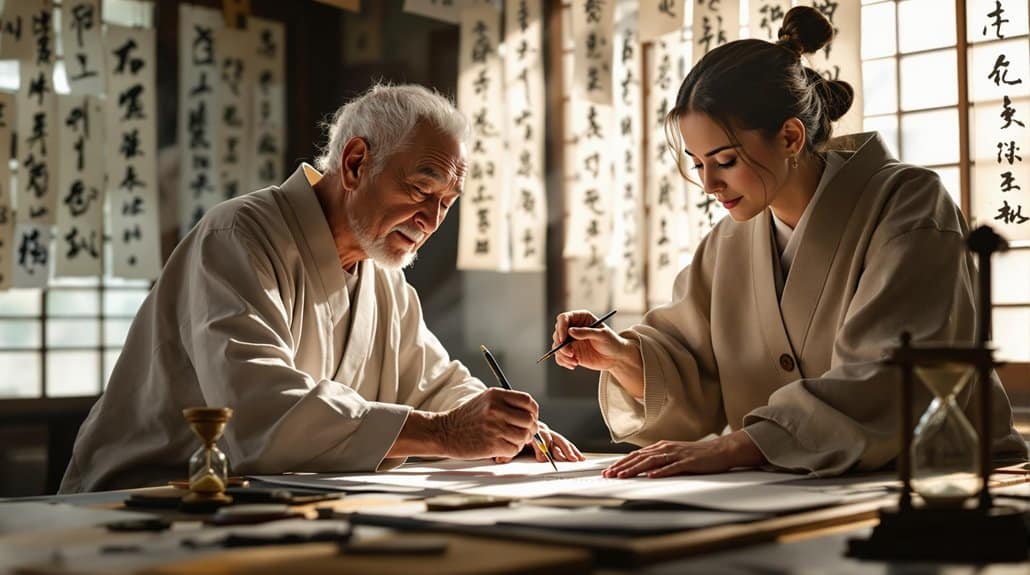
At the Australian Shiatsu College (RTO Code: 3609), we understand that the journey of professional development in Shiatsu practice brings both challenges and opportunities for growth. The Japanese concept of gaman (我慢)—steadfast perseverance through challenging circumstances—guides our approach to therapeutic education in the HLT52215 Diploma of Shiatsu & Oriental Therapies.
This traditional principle of patient endurance and composed dignity resonates deeply with the structured learning approach in our nationally recognised training programme. Through dedicated practice and continuous learning, students can cultivate the mindful presence and sustained focus essential for meaningful therapeutic work.
Defining Gaman
Cultural Meaning and Significance

Gaman (我慢) represents more than simple endurance—it embodies maintaining composure, dignity, and inner strength while facing challenges. This Japanese cultural principle has deep historical roots, particularly evident during periods of adversity throughout Japanese history.
Students exploring the HLT52215 Diploma of Shiatsu & Oriental Therapies learn how this concept directly aligns with the essential qualities of therapeutic practice and develop:
- Skills in maintaining professional composure
- Techniques for supporting clients through healing journeys
- Emotional regulation approaches for therapeutic settings
- Sustainable self-care practices for career longevity
This understanding of gaman contributes to a practitioner’s ability to provide consistent, high-quality care while maintaining professional boundaries and personal wellbeing.
Why Gaman Matters in Shiatsu
In the practice of Shiatsu and East Asian Medicine, gaman represents a fundamental principle that enhances therapeutic presence and effectiveness. Shiatsu students learn how maintaining focused stillness during treatment sessions contributes to creating an effective therapeutic environment.
The practice of gaman in professional Shiatsu offers several benefits:
- Enhanced therapeutic presence and awareness
- Improved treatment delivery through sustained focus
- Development of clinical resilience and stamina
- Deeper understanding of client-practitioner dynamics
- Practical application of traditional Japanese therapeutic principles
This professional capability combines technical expertise with mindful awareness, supporting the development of sustainable clinical practice skills that benefit both practitioners and clients.
Learning to Sit with Discomfort
An essential aspect of developing therapeutic proficiency involves learning to manage physical challenges while maintaining presence. Students learn valuable techniques for sustaining therapeutic effectiveness despite physical demands:
- Professional Awareness: Recognising physical sensations while maintaining therapeutic boundaries
- Mindful Breathing: Developing techniques to sustain presence during physically demanding work
- Hara Centred Work: Practicing grounded techniques to reduce physical and energetic discomfort
- Reflective Practice: Building skills in objective observation to enhance therapeutic effectiveness
These foundational skills contribute to building a purpose-driven therapeutic practice focused on client wellbeing while supporting practitioner longevity and preventing burnout.
Strength in Silence and Stillness
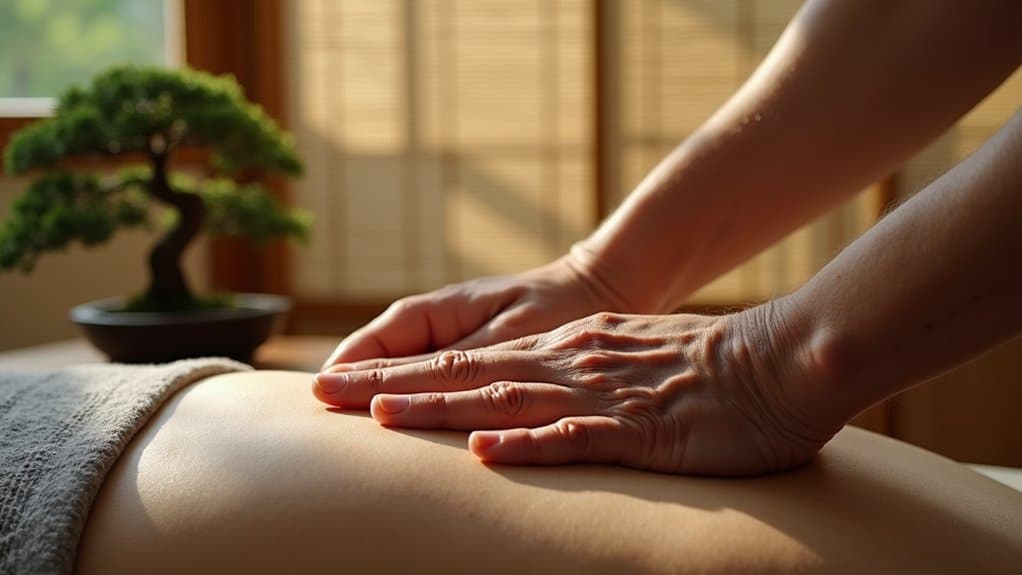
Professional practitioners understand that stillness isn’t merely the absence of movement, but rather an active state of focused awareness. This fundamental aspect of practice allows therapists to cultivate deep listening skills and enhance their ability to perceive subtle changes during treatment sessions. Students learn to:
- Develop mindful awareness techniques
- Build professional boundaries through centred presence
- Enhance therapeutic observation skills
- Create safe, supportive treatment environments
- Apply cultural awareness in therapeutic settings
Gaman in the Learning Environment
Managing Frustration and Plateaus
We understand that developing professional therapeutic skills involves natural periods of challenge and growth. Our experienced educators support students through these learning phases by:
- Acknowledging challenges as integral stepping stones in professional development
- Creating structured learning pathways with achievable milestones
- Facilitating reflective practice sessions that deepen therapeutic understanding
We encourage students to embrace learning opportunities through:
- Supervised practice sessions with experienced practitioners
- Participation in peer-learning activities
- Development of reflective journaling techniques
- Building professional resilience through guided feedback
Supporting Resilience in Students
Through carefully designed practical sessions and theoretical study, students develop the professional capabilities needed for therapeutic practice. Our educators offer constructive feedback and mentoring support as students work through each stage of skill acquisition.
Gaman in Clinical Practice
The Art of Professional Presence
Students undertaking the HLT52215 Diploma of Shiatsu & Oriental Therapies learn to develop therapeutic presence through the practice of gaman—a foundational aspect of East Asian Medicine. This approach helps practitioners maintain professional boundaries while offering authentic care and attention during client sessions.
Professional development in practice includes:
- Learning to establish appropriate professional boundaries
- Developing sustainable self-care practices
- Building resilience for long-term practice
- Understanding the importance of mindful presence in therapeutic work
Students can develop their capacity to maintain professional presence while delivering meaningful therapeutic care. Learning to balance empathetic engagement with professional objectivity forms a core component of therapeutic skill development.
Showing Up for Clients Through Challenge
Students learn to develop a grounded therapeutic presence that supports clients through challenging times by exploring how to:
- Build professional skills in maintaining steady, supportive presence
- Develop cultural awareness and respect for diverse healing traditions
- Practice therapeutic patience while supporting clients’ natural healing processes
Emotional Boundaries and Endurance
Professional practice requires a balanced approach to emotional engagement—being present and supportive while maintaining clear boundaries. Students explore techniques for differentiating between therapeutic empathy and emotional over-involvement.
Key learning areas include:
- Professional boundary-setting techniques
- Therapeutic presence and mindful practice
- Self-care strategies for practitioners
- Client-centred communication skills
- Emotional regulation in clinical settings
This professional development focus supports students in building sustainable therapeutic practices while delivering meaningful care.
Honouring Inner Strength Through Gaman
At the Australian Shiatsu College (RTO Code: 3609), our HLT52215 Diploma of Shiatsu & Oriental Therapies integrates the profound Japanese concept of gaman into professional therapeutic practice. Students explore how this principle enriches their development as healthcare practitioners through:
- Building professional capacity to support clients through challenging therapeutic processes
- Maintaining therapeutic presence while holding space for client transformation
- Developing mindful patience as a cornerstone of purpose-driven practice
Through guided practice and structured learning activities, students develop therapeutic techniques grounded in traditional Japanese principles, practical skills for meaningful client interactions, and professional presence in therapeutic settings. The educational journey focuses on developing sustainable appraches to professional practice, enabling students to grow both personally and professionally while maintaining wellbeing in their therapeutic work.