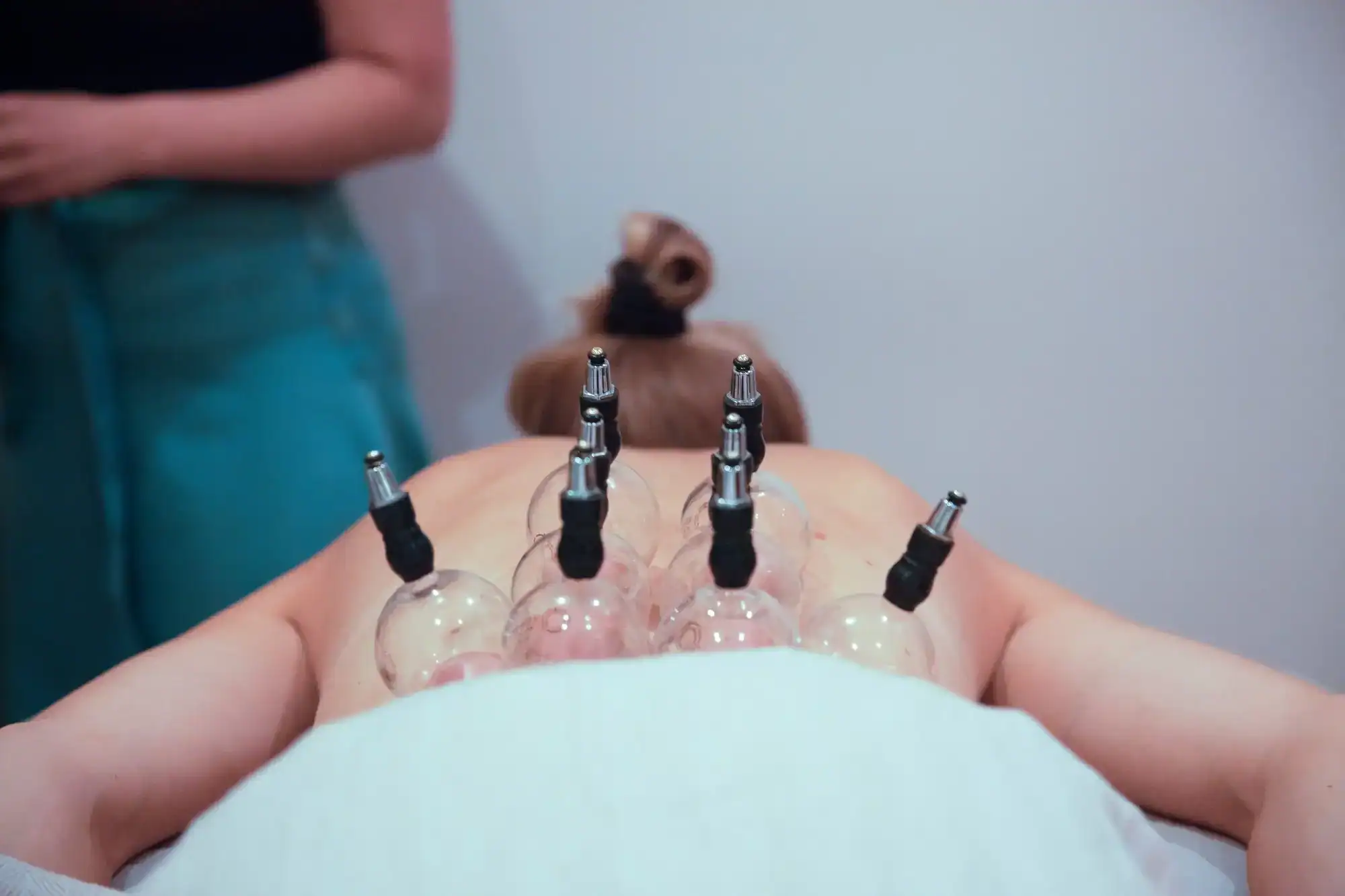
A Two-Day Intensive Workshop to Master Traditional Blood Movement Techniques
Expand Your Clinical Capabilities with Rare Japanese Therapeutic Approaches
In Japanese Oriental Medicine, the free flow of Blood and Qi forms the foundation of health. Blood stasis—known in Japan as Oketsu—often precedes other imbalances and can significantly limit therapeutic outcomes when left unaddressed.
This intensive two-day workshop provides hands-on mastery of specialised Japanese cupping and microbleeding techniques rarely taught outside Japan. Through extensive supervised practical training, you’ll develop confidence in applying these powerful methods to incorporate the therapeutic effects of cupping and microbleeding while addressing a wide range of challenging clinical presentations.
Clinical Applications and Practical Outcomes
This workshop focuses on immediately applicable skills to address conditions associated with Blood stasis including:
- Chronic pain conditions resistant to other treatments
- Post-traumatic tissue healing and rehabilitation
- Inflammatory conditions and immune system regulation
- Circulatory disorders and vascular congestion
- Effects of scarring and adhesions
- Autonomic nervous system imbalances
Upon completion, you’ll have practical mastery of assessment methods and treatment protocols derived from Dr. Manaka’s renowned Blood Stasis Model and traditional Japanese cupping systems.
What You’ll Learn Through Hands-On Practice
This workshop emphasises practical skill development through supervised hands-on training in:
- Dr. Manaka’s Blood Stasis Model and Prognostication
- Visual and palpatory assessment techniques
- Integration with traditional diagnostic frameworks
- Prognosis and treatment planning
- Kyukaku (Japanese Cupping Methods)
- Traditional application techniques for different body regions
- Constitutional treatment protocols
- Specialised symptom-specific applications
- Integration with other Japanese therapeutic approaches
- Shiraku Ho (Japanese Microbleeding Techniques)
- Painless precision techniques for therapeutic outcomes
- Seiketsu Shiraku (Jing point applications)
- Sairaku Shiraku (Vascular spider approaches)
- Ranshi Ho (Cutaneous techniques with and without cups)
- Mattan Shiraku (Extremity applications)
- Clinical Integration and Safety Protocols
- Indications, contraindications, and safety considerations
- Proper sterilisation and clinical hygiene
- Integration with other treatment modalities
- Correct dosages for various conditions and constitutions
Required Materials for Practical Sessions
To maximize hands-on learning, please bring:
- Glass suction cupping set (Korean style, not standard TCM fire cups)
- Disposable medical latex or nitrile gloves (small to medium size)
- Cotton balls
- Disposable lancets (beveled edge, not pin-pointed style)
- Paper towels
- Plastic bucket
- Hospital grade bleach (liquid, not gel)
- Bleach pouring cup
- Disposable needle tray
- Swabs
- Timer
- Chinetskyu moxa tools
Recommended Reading:
Japanese Acupuncture: A Clinical Guide by Stephen Birch and Junko Ida
About the presenter:
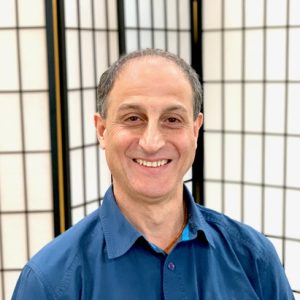
Paul Movsessian has been in practice since 1986, having lived and worked in Australia and the USA. His interest in the Japanese style of acupuncture and moxibustion lead him to be trained by many various teachers learning a wide range of treatment techniques.
Paul has lectured for many years in the USA, Canada, and New Zealand and brought the foundations of the Japanese styles to Australia in 1997.
Paul has had the privilege of studying in Japan over many years under the guidance of some of the greatest teachers in various styles. Training in the Toyohari system of Meridian Therapy under the guidance of such teachers as Akihiro Takai, Shuho Taniuchi, Koryo Nakada, Shozo Takahashi, and Toshio Yanagishita. Paul was instrumental in the founding of the Toyohari system in Australasia and was the past President of the Australasian Branch of the Toyohari Association, a Registered Academic Practitioner and a qualified teacher before retiring from the Toyohari Association.
He has also had the privilege of studying under Kiiko Matsumoto, Stephen Birch, Junko Ida, Fukushima Tetsuya, Takayoshi Ogawa, Yashikawa Masako, who has developed the Yin Yang Taikyoku method, Sugiyama Isao, a classical acupuncturist and various other teachers from Japan.
Currently, Paul is running a successful clinic in the Blue Mountains and lecturing extensively to practitioners sharing many new treatment strategies and skills to integrate within their practice and produce powerful clinical results.
Course details
Cost
| Full price | Early Bird * | |
|---|---|---|
| Practitioner | 890 | 800 * |
| Student | 800 | 720 * |
Dates
- Saturday/Sunday October 10/11th, 2026
Location
China Books workshop space, 234 Swanston St Melbourne
Deposit
$100 non-refundable deposit is required to secure your place.
Refund policy
The deposit of $100 is non-refundable.
Balance refundable if cancellation is given 14 days before workshop commencement.
If the course is cancelled due to unforeseen circumstances a full refund will apply.
All fees, charges, and refund policies are fully detailed in your confirmation and in our Fees, Charges & Refunds Policy.
Pre-requisite
This specialised training is open to Shiatsu therapists, acupuncturists and other bodywork practitioners seeking to expand their therapeutic capabilities with this profound healing modality.
CPD&E points
14
Should you have any questions about this workshop please contact the college directly.
Enrol Now to Secure Your Place
This specialised workshop offers rare access to authentic Japanese therapeutic techniques that can significantly enhance your clinical outcomes. Previous iterations have filled quickly due to limited class size that ensures quality hands-on supervision.