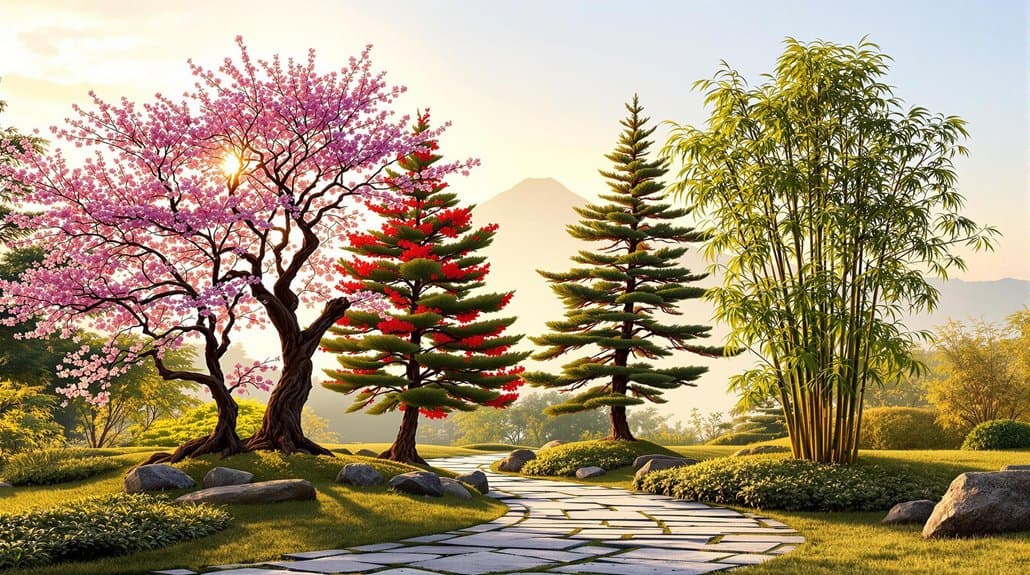
At the Australian Shiatsu College (RTO Code: 3609), we embrace the Japanese concept of oubaitori in our approach to delivering the HLT52215 Diploma of Shiatsu & Oriental Therapies. This wisdom teaches us that each practitioner’s journey in developing therapeutic skills follows its own natural progression, much like the distinct flowering trees—cherry, plum, peach, and apricot—that bloom in their unique seasons.
During your learning journey, you may notice fellow students grasping certain techniques at different rates. This natural variation in skill development reflects the authentic nature of therapeutic practice. Just as each tree flowers according to its own timing, your capabilities as a student practitioner will emerge as you progress through purpose-driven learning.
What is Oubaitori?
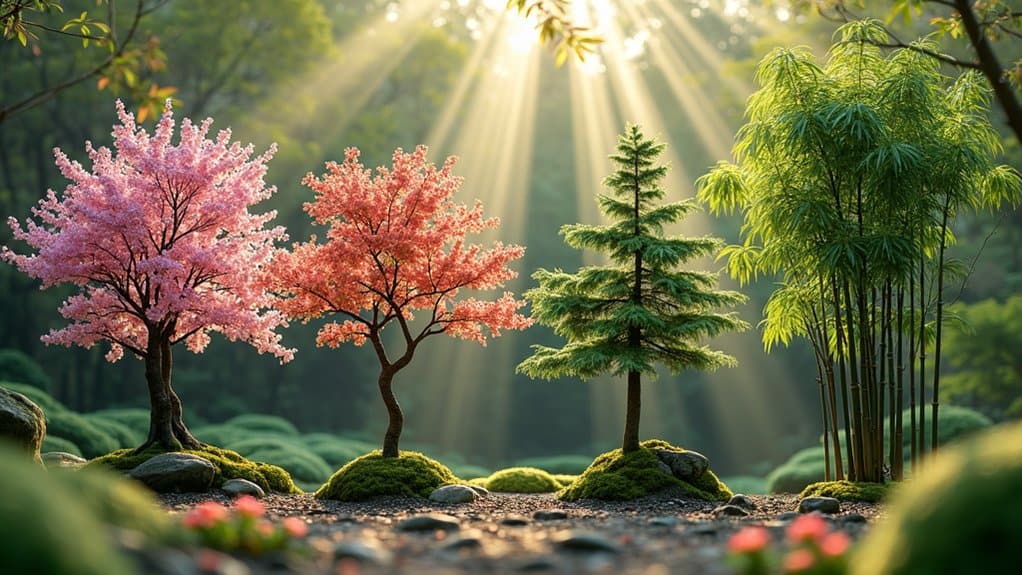
The Japanese concept of oubaitori (桜梅桃李) derives from four flowering trees that symbolise individual growth patterns:
- Cherry (桜 sakura) – known for spectacular, brief blooms
- Plum (梅 ume) – first to flower in late winter, showing resilience
- Peach (桃 momo) – with soft, delicate spring blossoms
- Apricot (李 sumomo) – blooming later with distinctive character
Each tree contributes unique beauty to the spring landscape through its own timing and attributes. This principle guides our supportive learning environment, where students can develop their skills at an appropriate pace while building confidence in their therapeutic practice.
Non-Comparative Growth in Japanese Culture
Our HLT52215 Diploma of Shiatsu & Oriental Therapies embraces a supportive learning environment that honours each student’s individual development journey. This approach reflects traditional Japanese therapeutic principles, where professional skill development follows its natural progression without competitive pressure.
The concept of oubaitori represents a deeply cultural understanding in Japan, where individual development is valued for its intrinsic qualities rather than in comparison to others. This perspective creates space for authentic growth and self-acceptance—essential qualities for therapeutic practitioners. Students engage in learning that emphasises personal growth and therapeutic competence at a pace that supports deep understanding.
Embracing Individual Learning Paths

Breaking the Comparison Habit
As aspiring Shiatsu practitioners, we often observe experienced therapists and wonder about our own development path. We understand that each student’s journey through the Diploma of Shiatsu is unique and personal.
Developing professional therapeutic skills is about focusing on your individual growth and learning process. Our environment encourages students to build their clinical capabilities at a pace that supports deep understanding and practical mastery.
Through our training programme, you’ll have opportunities to:
- Develop foundational therapeutic techniques in a supportive environment
- Build clinical skills through supervised practice sessions
- Explore traditional East Asian Medicine principles and their applications
- Learn to deliver meaningful therapeutic care that aligns with industry standards
Supporting Diverse Talents and Paces
Our HLT52215 Diploma of Shiatsu & Oriental Therapies programme embraces the diversity of learning styles and backgrounds that each student brings to their professional development. Through our flexible curriculum, students can engage with both practical and theoretical components at a pace that supports their individual learning process. We offer full and part time study options, with reasonable adjustments applied to your tailored learning plans to support your progress.
Whether your strengths lie in hands-on practice sessions or theoretical exploration, our experienced educators provide the guidance needed to help you build a strong foundation in therapeutic practice. Our approach focuses on:
- Developing core therapeutic skills through hands-on learning
- Building theoretical knowledge at an individualised pace
- Supporting diverse learning styles with adaptable teaching methods
- Fostering professional growth within a supportive learning community
- Cultivating purposeful therapeutic practice aligned with industry standards
Oubaitori in the Shiatsu Classroom
Individualised Feedback and Assessment
Our assessment approach within the HLT52215 Diploma of Shiatsu & Oriental Therapies supports each student’s professional development journey through meaningful, skills-focused feedback. Our assessment framework emphasises:
- Development of practical therapeutic skills through personalised feedback
- Progressive skill building that acknowledges your individual learning pathway
- Regular constructive guidance to support your growth as a healthcare practitioner
- Documentation of your developing clinical competencies and professional capabilities
This approach helps students build the professional capabilities needed for therapeutic practice while maintaining focus on individual growth within the complementary healthcare field.
Encouraging Unique Strengths
We recognise that every student brings unique qualities to their professional development. Our training environment supports the development of your individual therapeutic strengths, whether they lie in client communication, tactile awareness, or understanding of traditional East Asian Medicine principles.
Through practical experience, you’ll have opportunities to identify and enhance your natural capabilities while developing essential professional competencies. We focus on creating a supportive learning environment where diverse approaches to therapeutic practice can flourish within the framework of professional standards.
Oubaitori in Practice Development
Defining Your Own Therapeutic Style
Every practitioner develops a unique therapeutic approach through their journey in the HLT52215 Diploma of Shiatsu & Oriental Therapies. Your professional style emerges from the integration of a wide range of techniques with your individual strengths and cultural perspectives.
Throughout your learning journey, you’ll have opportunities to:
- Explore how diverse cultural perspectives enhance therapeutic understanding
- Build confidence in your developing clinical skills through practice
- Integrate technical expertise with professional therapeutic presence
- Study traditional East Asian Medicine principles within a modern healthcare context
Our course supports you in developing the professional skills needed for meaningful therapeutic work. As you progress through the program, you’ll discover how your unique qualities contribute to creating an authentic therapeutic approach.
Confidence in Natural Timing
Developing professional therapeutic skills follows a unique rhythm for each student. Our training programme acknowledges that meaningful therapeutic work requires both technical expertise and personal growth. Students explore professional development at a pace that allows for deep integration of skills and knowledge, building confidence through experience.
The traditional Japanese concept of oubaitori—embracing individual growth patterns—informs our educational approach. This philosophy supports you in focusing on your own professional development journey while acquiring the practical skills and theoretical knowledge essential for therapeutic practice.
Celebrating Diversity in Growth and Practice
At the Australian Shiatsu College (RTO Code: 3609), our HLT52215 Diploma of Shiatsu & Oriental Therapies programme encourages students to embrace their individual development journey. Like the diverse elements that compose a complete therapeutic practice, your professional development unfolds at its own natural pace.
Developing as a therapeutic practitioner involves:
- Focusing on your own learning progress and skill development
- Drawing inspiration from experienced practitioners while cultivating your authentic practice style
- Engaging with the learning process at a pace that supports thorough skill acquisition
We encourage you to embrace your individual learning style as you work towards developing the professional competencies needed for purpose-drive practice. Your commitment to acquiring these skills contributes to the rich diversity of approaches within the complementary healthcare field, each uniquely valuable in its own right.