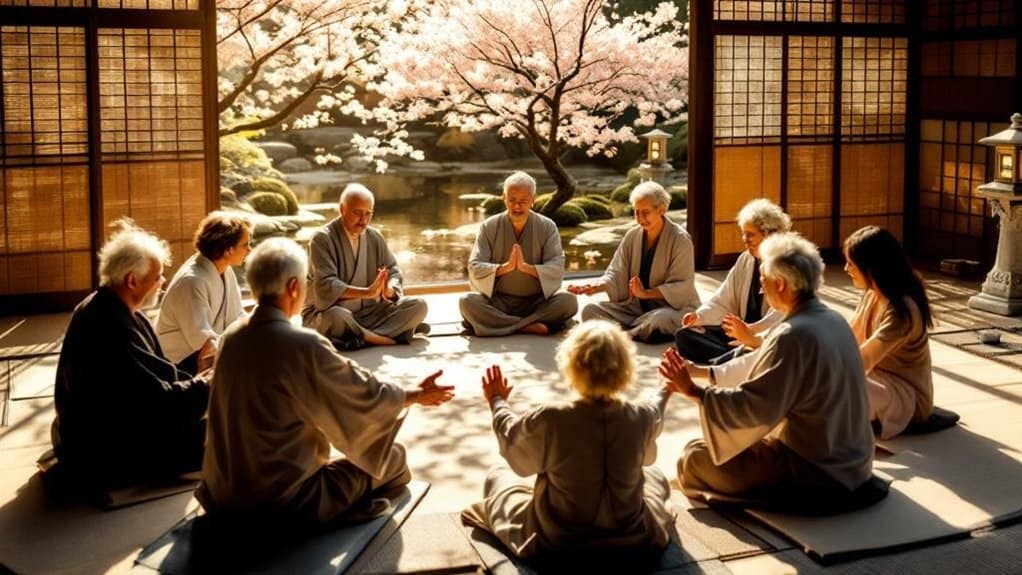
At the Australian Shiatsu College (RTO Code: 3609), students exploring the HLT52215 Diploma of Shiatsu & Oriental Therapies discover the profound principles of Wa and Kizuna. These traditional Japanese concepts form the cornerstone of developing professional therapeutic relationships and building supportive practice communities.
Wa represents the harmony that emerges between practitioner and client as well as within, while Kizuna speaks to the bonds formed within professional healing communities. Together, these principles guide the development of meaningful therapeutic connections.
The Importance of Community in Shiatsu
At the Australian Shiatsu College (RTO Code: 3609), we understand that meaningful therapeutic practice flourishes within a supportive professional community. Students undertaking the Diploma develop their skills alongside experienced practitioners, dedicated educators, and fellow learners who share a commitment to therapeutic excellence & devotion to the practice of shiatsu. This collaborative learning environment helps foster professional relationships and deeper understanding of traditional healing practices, while supporting each student’s growth as a healthcare practitioner.
Our learning community provides opportunities to:
- Share knowledge and clinical experiences with experienced practitioners
- Build professional relationships that support ongoing development
- Engage with traditional healing wisdom in a contemporary healthcare context
- Develop therapeutic skills within a supportive learning environment
As students progress through their studies, they gain exposure to the diverse therapeutic approaches within the umbrella of shiatsu, and the varied professional perspectives that come within that diversity. This range of experience enriches students understanding of shiatsu practice, proving how unique and creative a professional path it can be. Our community-centered approach to learning helps create a foundation for meaningful therapeutic work while maintaining the highest standards of professional practice.
Defining Wa (Harmony) and Kizuna (Bonds of Connection)
Students enrolled in the Diploma at ASC explore the foundational Japanese concepts of wa (和) and kizuna (絆) as part of their professional development journey.
These traditional principles inform the development of meaningful therapeutic relationships:
- Wa cultivates professional awareness of harmonious interactions within the therapeutic environment. This concept represents balance, peace, and unity—essential qualities in the therapeutic setting.
- Kizuna guides practitioners in building appropriate professional connections with clients. This term refers to the bonds between people—the emotional ties that connect individuals through mutual care and respect.
Both concepts support the development of ethical therapeutic relationships. Students learn to integrate these principles into their professional practice framework.
Through structured learning activities, students develop their understanding of:
- Professional boundaries while maintaining therapeutic harmony
- Evidence-based approaches to therapeutic relationship building
- Cultural awareness in professional practice
- Ethical considerations in therapeutic interactions
Wa in the Learning Environment
Creating Harmony in Your Professional Development
At ASC, we understand that wa (harmony) is essential for developing professional therapeutic skills within the Diploma program. Our learning environment nurtures respectful collaboration and shared growth, allowing students’ growing skill to unfurl in a harmonious and supportive environment.
Key aspects of our harmonious learning environment include:
- Structured peer-to-peer practice opportunities
- Professional communication skill development
- Supervised practical sessions with detailed feedback
- Integration of traditional principles with contemporary healthcare standards
- Focus on building therapeutic presence and client interaction skills
Respectful Communication and Group Practice
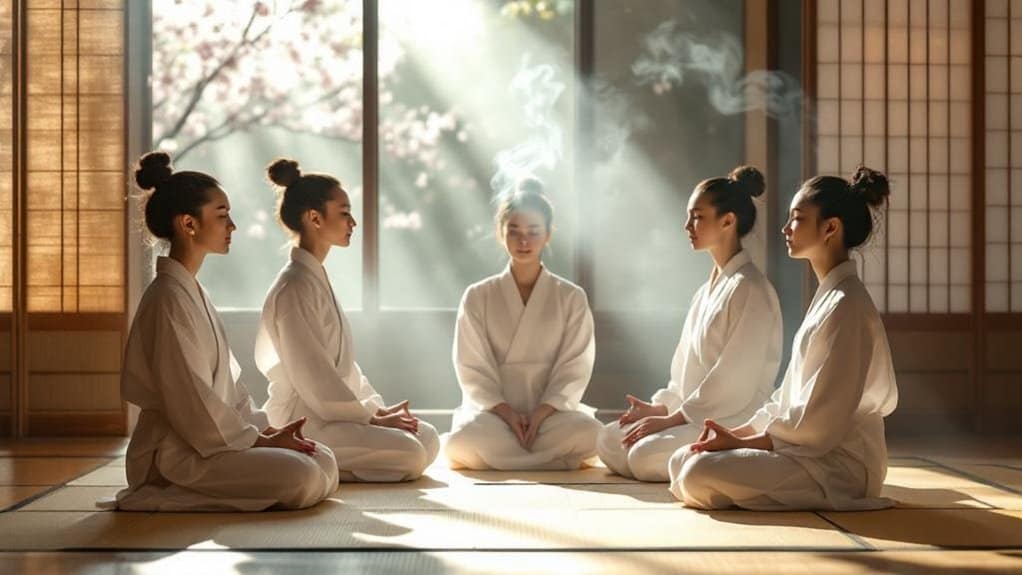
Students pursuing the Diploma at the Australian Shiatsu College (RTO Code: 3609) develop essential therapeutic communication skills within a supportive learning environment. Training sessions incorporate the Japanese principle of wa, emphasizing harmonious interaction as a foundation for professional practice and client care.
Students learn to:
- Read and respond to verbal and non-verbal communication cues
- Foster trust through clear, professional communication
- Practice active listening and empathetic response techniques
- Establish and maintain appropriate therapeutic boundaries
- Develop cultural awareness in therapeutic settings
Through guided practice sessions, students build confidence in therapeutic communication while working alongside peers who share their commitment to purpose-driven healthcare. These professional skills form the cornerstone of meaningful therapeutic work, enabling graduates to create safe, supportive environments for future client interactions.
Kizuna in Therapeutic Practice
Connection as a Healing Modality
At the Australian Shiatsu College students explore how to develop authentic connection with the client, with this connection as the heart of shiatsu therapy.
Through structured learning activities, students develop skills in:
- Connecting to clients through the senses; sight, sound, smell and touch
- Building therapeutic rapport through mindful presence
- Creating a safe, professional therapeutic environment
- Establishing clear practitioner-client communication
The coursework emphasizes practical skill development in professional therapeutic engagement techniques, evidence-based approaches to client interaction, ethical framework implementation, clinical communication strategies, and professional practice management.
Throughout their studies, students engage in reflective practice to deepen their understanding of the therapeutic relationship. This learning process supports the development of a purpose-driven approach to professional practice, grounded in both technical competence and genuine care.
Fostering Community in Professional Identity
Belonging to a Healing Tradition
At the Australian Shiatsu College (RTO Code: 3609), students undertaking the Diploma engage with foundational principles of Eastern therapeutic practices. Through structured learning, students explore traditional Japanese healing methodologies while developing professional skills aligned with contemporary healthcare standards. In a world of post modern mix n’ match healing modalities, the supportive base of a long held tradition can provide the structure and containment that many find necessary for deep and lasting healing.
Professional development focus areas include:
- Building practical skills through supervised hands-on training
- Studying traditional meridian theories within a modern therapeutic context
- Learning evidence-based techniques for clinical practice
- Developing cultural competency for therapeutic relationships
The educational journey combines time-honored wisdom with current professional practice standards. The curriculum emphasizes both theoretical understanding and practical application, preparing students to deliver purposeful therapeutic care within professional boundaries.
This holistic approach to professional development reflects the depth and authenticity of traditional Shiatsu while meeting current industry standards. Students engage with these concepts through practical workshops, supervised clinic sessions, and professional mentoring, developing skills that support meaningful therapeutic work.
Here’s the re-edited version with duplication eliminated, proper H2/H3 structure, “RTO Code” replaced with “RTO Code”, “Oriental” terminology replaced with “East Asian Medicine”, British/Australian spelling, and varied phrasing to avoid repetition:
Wa and Kizuna: Community, Harmony, and the Collective Path of Shiatsu
At the Australian Shiatsu College (RTO Code: 3609), students exploring the HLT52215 Diploma of Shiatsu & Oriental Therapies discover the profound principles of Wa and Kizuna. These traditional Japanese concepts form the cornerstone of developing professional therapeutic relationships and building supportive practice communities.
Wa represents the harmony that emerges between practitioner and client as well as within, while Kizuna speaks to the bonds formed within professional healing communities. Together, these principles guide the development of meaningful therapeutic connections.
The Importance of Community in Shiatsu
We understand that meaningful therapeutic practice flourishes within a supportive professional community. Students undertaking the Diploma develop their skills alongside experienced practitioners, dedicated educators, and fellow learners who share a commitment to therapeutic excellence and devotion to the practice of shiatsu. This collaborative learning environment helps foster professional relationships and deeper understanding of traditional healing practices, while supporting each student’s growth as a healthcare practitioner.
Our learning community provides opportunities to:
- Share knowledge and clinical experiences with experienced practitioners
- Build professional relationships that support ongoing development
- Engage with traditional healing wisdom in a contemporary healthcare context
- Develop therapeutic skills within a supportive learning environment
As students progress through their studies, they gain exposure to the diverse therapeutic approaches within the umbrella of shiatsu, and the varied professional perspectives that come within that diversity. This range of experience enriches students’ understanding of shiatsu practice, proving how unique and creative a professional path it can be.
Defining Wa (Harmony) and Kizuna (Bonds of Connection)
Students enrolled in the Diploma at ASC explore the foundational Japanese concepts of wa (和) and kizuna (絆) as part of their professional development journey.
These traditional principles inform the development of meaningful therapeutic relationships:
Wa cultivates professional awareness of harmonious interactions within the therapeutic environment. This concept represents balance, peace, and unity—essential qualities in the therapeutic setting.
Kizuna guides practitioners in building appropriate professional connections with clients. This term refers to the bonds between people—the emotional ties that connect individuals through mutual care and respect.
Wa in the Learning Environment
Creating Harmony in Your Professional Development
We understand that wa (harmony) is essential for developing professional therapeutic skills within the Diploma programme. Our learning environment nurtures respectful collaboration and shared growth, allowing students’ growing skill to unfurl in a harmonious and supportive environment.
Key aspects of our harmonious learning environment include:
- Peer-to-peer practice opportunities
- Professional communication skill development
- Supervised practical sessions with detailed feedback
- Integration of traditional principles with contemporary healthcare standards
- Focus on building therapeutic presence and client interaction skills
Respectful Communication and Group Practice
Students pursuing the Diploma develop essential therapeutic communication skills within a supportive learning environment. Training sessions incorporate the Japanese principle of wa, emphasising harmonious interaction as a foundation for professional practice and client care.
Students learn to:
- Read and respond to verbal and non-verbal communication cues
- Foster trust through clear, professional communication
- Practice active listening and empathetic response techniques
- Establish and maintain appropriate therapeutic boundaries
- Develop cultural awareness in therapeutic settings
- Consider ethical considerations in therapeutic interactions
Through guided practice sessions, students build confidence in therapeutic communication while working alongside peers who share their commitment to quality healthcare. These professional skills form the cornerstone of therapeutic work, enabling graduates to create safe, supportive environments for future client interactions.
Kizuna in Therapeutic Practice
Connection as a Healing Modality
Students explore how to develop authentic connection with the client, with this connection as the heart of shiatsu therapy. Through your training, you’ll develop skills in:
- Connecting to clients through the senses: sight, sound, smell and touch
- Building therapeutic rapport through mindful presence
- Creating a safe, professional therapeutic environment
- Establishing clear practitioner-client communication
The coursework covers professional therapeutic engagement techniques, approaches to client interaction, ethical framework implementation, clinical communication strategies, and professional practice management.
Throughout their studies, students engage in reflective practice to deepen their understanding of their role and perspectives in the therapeutic relationship. This learning process supports the development of a purpose-driven approach to professional practice, grounded in both technical competence and genuine care.
Belonging to a Healing Tradition
Students undertaking the Diploma engage with foundational principles of Eastern therapeutic practices. Through your learning, you’ll explore traditional Japanese healing methodologies while developing professional skills aligned with contemporary healthcare standards. In a world of post-modern mix-and-match healing modalities, the supportive base of a long-held tradition can provide the structure and containment that many find necessary for deep and lasting healing.
This holistic approach to professional development reflects the depth and authenticity of traditional Shiatsu while meeting current industry standards. Students engage with these concepts through practical workshops, supervised clinic sessions, and professional mentoring, developing skills that support meaningful therapeutic work. Graduates become part of a passionate community of healthcare professionals with a shared focus of empowering their communities towards well being