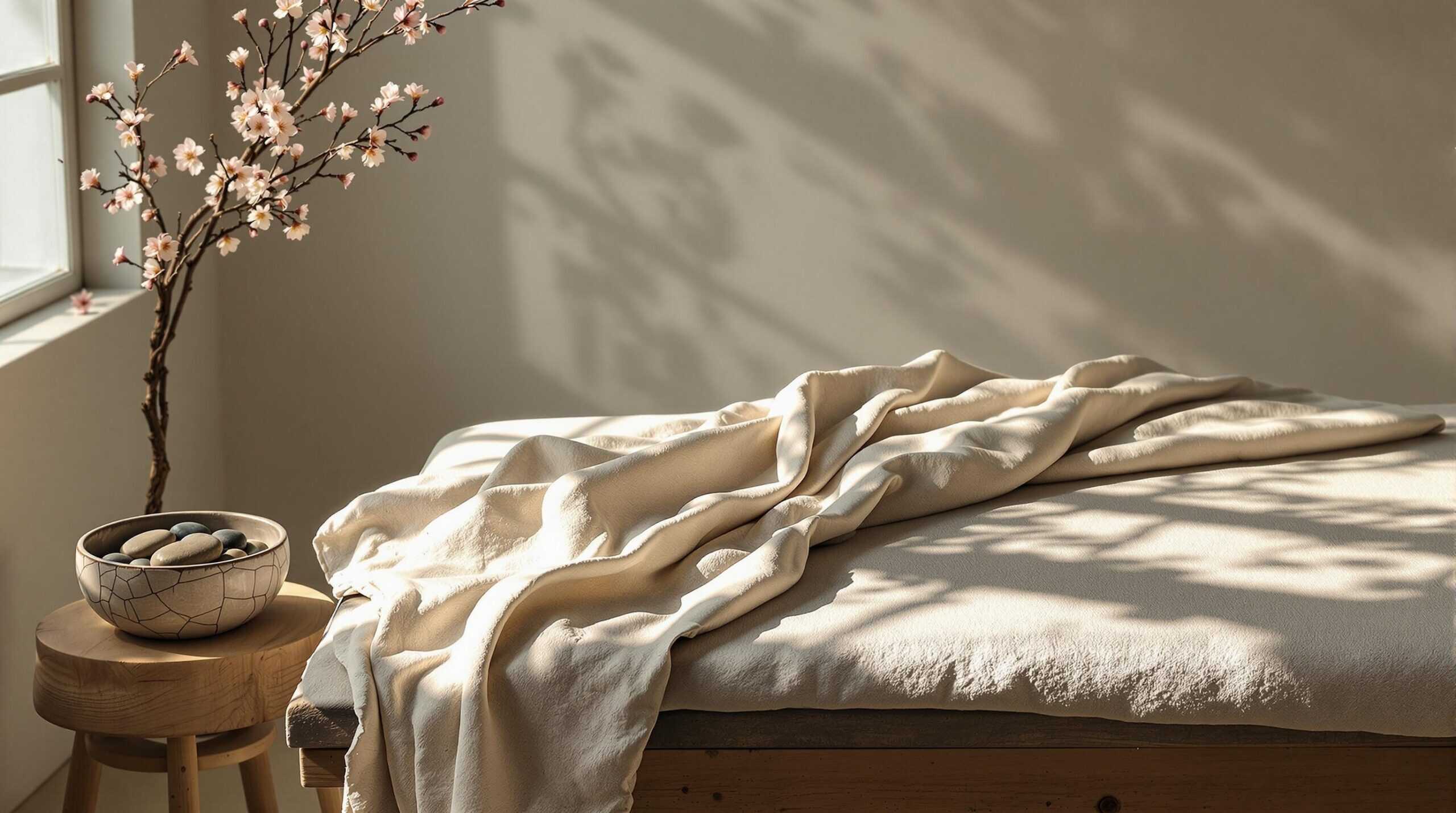
At the Australian Shiatsu College (RTO Code: 3609), we explore how wabi-sabi’s deep appreciation for impermanence and authenticity enriches the professional practice of shiatsu therapy. This traditional Japanese aesthetic philosophy, with roots in 15th century tea ceremonies, aligns naturally with the holistic principles taught in our HLT52215 Diploma of Shiatsu & Oriental Therapies.
Students develop professional skills that honour both the transient nature of therapeutic moments and the authentic journey of supporting clients on their path to wellness. This perspective helps shape a purpose-driven practice where therapeutic work acknowledges—rather than resists—natural cycles of change and healing.
Understanding Wabi-Sabi
The Philosophy’s Essence
The ancient philosophy of wabi-sabi enriches our approach to the HLT52215 Diploma of Shiatsu & Oriental Therapies. This traditional Japanese concept embraces three core principles:
- Wabi: Finding beauty in simplicity and imperfection
- Sabi: Appreciating the patina that comes with age and use
- Yugen: Acknowledging the mysterious depth of the world around us
The integration of wabi-sabi into therapeutic practice supports practitioners in developing:
- Mindful observation skills for authentic client assessment
- Appreciation for natural healing processes
- Recognition of each person’s unique therapeutic needs
- Understanding of healing as a gradual, purposeful journey
This philosophical foundation helps create purpose-driven practitioners who understand that meaningful therapeutic work often emerges from accepting and working with, rather than against, natural processes.
The Beauty of Impermanence in Practice
Students exploring the HLT52215 Diploma of Shiatsu & Oriental Therapies discover the profound concept of impermanence, known as “mujo” (無常) in Japanese tradition. This foundational principle guides practitioners in developing their therapeutic skills through understanding that each client interaction represents a unique moment in time.
Through professional practice sessions, students learn to cultivate:
- Present-moment awareness during treatments
- Adaptability in therapeutic approaches
- Responsiveness to changing client conditions
- Appreciation for the dynamic nature of qi flow
As you develop your professional skills, you’ll learn to work with the evolving nature of the therapeutic relationship, adapting techniques to meet each client’s changing needs.
Wabi-Sabi in the Therapeutic Relationship
Embracing Authentic Connection
Students learn to integrate the wisdom of wabi-sabi into their developing therapeutic practice. This traditional concept enriches professional skill development by encouraging practitioners to embrace the authentic nature of each therapeutic encounter.
Through structured learning experiences, students discover how moving beyond technical perfectionism toward mindful presence can enhance their therapeutic effectiveness. This approach aligns with centuries-old Eastern healing traditions, where practitioners valued genuine connection over rigid technique.
The integration of wabi-sabi principles into clinical practice offers students opportunities to:
- Develop deeper therapeutic awareness
- Build authentic client relationships within professional boundaries
- Enhance professional presence and communication skills
- Refine clinical observation techniques
- Practice mindful therapeutic approaches
Letting Go of Perfectionism
Within our HLT52215 Diploma of Shiatsu & Oriental Therapies, students explore the balance between structured learning and intuitive development. Professional practice involves understanding that mastery emerges through dedicated skill development rather than pursuing an unattainable ideal of perfection.
Students learn to cultivate present-moment awareness alongside their technical abilities, developing a more responsive and attuned therapeutic approach. Through structured learning activities, they discover how accepting natural variations in therapeutic practice can enhance their professional development.
Tuning into Authentic Presence
Students learn to develop authentic therapeutic presence—a fundamental skill for meaningful client interactions. Professional practitioners understand that authentic presence emerges through:
- Cultivating self-awareness
- Developing active listening skills
- Maintaining appropriate professional boundaries
- Practicing mindful engagement
- Building therapeutic communication skills
Students often find that approaching technical challenges with patience and understanding enhances their ability to integrate complex therapeutic concepts. This mindset, grounded in traditional Eastern therapeutic principles, helps create a supportive learning environment where professional skills can develop naturally.
Through practical workshops and supervised clinical practice, students have opportunities to develop these essential professional capabilities.
Learning with Wabi-Sabi
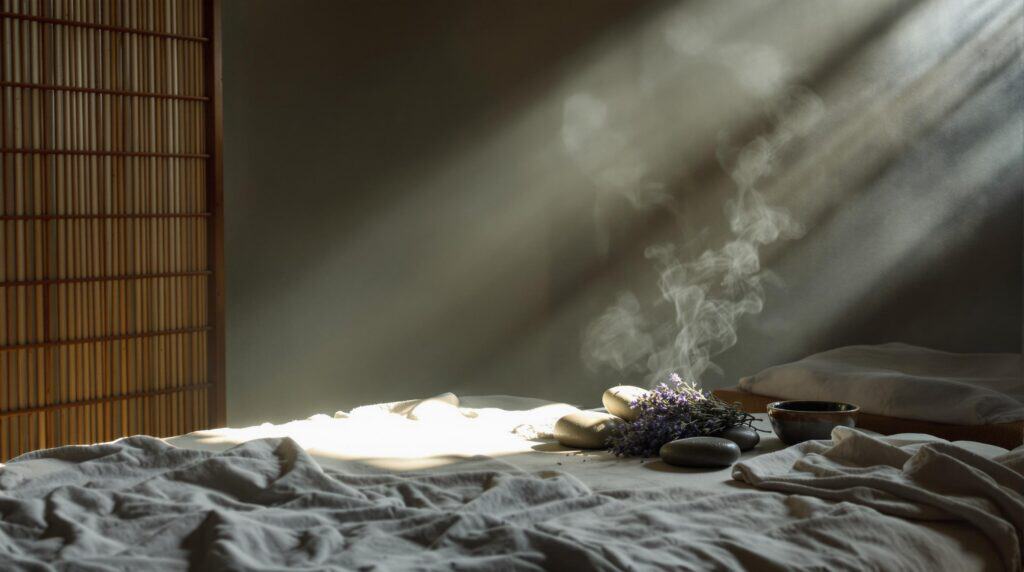
Messy Progress and Emotional Growth
Students working towards their HLT52215 Diploma of Shiatsu & Oriental Therapies often discover that professional growth follows a natural, evolving pathway. The learning process embraces both achievements and challenges as valuable steps in developing therapeutic expertise.
Like the practice of Shiatsu itself, professional development unfolds organically, with each learning experience contributing to a deeper understanding of purpose-driven healthcare delivery. Your professional journey may include:
- Breakthrough moments of understanding
- Periods of careful skill refinement
- Self reflection on growth and struggles
- Challenges that deepen your practice
- Gradual development of clinical confidence
The educational environment supports this natural progression, allowing students to build their practical abilities while deepening their understanding of East Asian Medicine principles.
Encouraging Gentle, Compassionate Learning
We understand that developing professional therapeutic skills is a journey of continuous growth. Our purpose-driven approach to professional education acknowledges that learning occurs gradually through dedicated practice and reflection.
Designing Learning and Clinic Spaces with Wabi-Sabi
Natural Materials and Mindful Environments
Our training spaces are thoughtfully selected to support professional development in the HLT52215 Diploma of Shiatsu & Oriental Therapies. We seek to create optimal learning environments where students can develop their therapeutic skills with clarity and focus.
Our facilities feature:
- Natural materials that reflect authentic principles
- Thoughtful spatial arrangements including light and air
- Environments conducive to developing therapeutic presence
Students learn to apply these design principles to their own treatment spaces, understanding how environment influences both practitioner effectiveness and client experience.
Embracing Space and Stillness
Our training spaces incorporate traditional Japanese principles of space and stillness, supporting focused skill development and deeper therapeutic understanding. Students practicing in our clinics learn to appreciate how thoughtful room arrangement and moments of quiet reflection contribute to therapeutic effectiveness.
Key learning elements include:
- Understanding the therapeutic value of carefully designed treatment spaces
- Developing awareness of energetic flow within clinical environments
- Learning to integrate periods of stillness between client sessions
- Practicing mindful preparation of treatment areas
Through hands-on experience in our training clinics, you’ll explore how physical space and moments of stillness support the delivery of meaningful therapeutic work.
Living the Philosophy of Wabi-Sabi as a Practitioner
At the Australian Shiatsu College (RTO Code: 3609), we understand that mastering therapeutic practice extends beyond technical proficiency. Through our HLT52215 Diploma of Shiatsu & Oriental Therapies, students explore the deeper dimensions of professional practice, including how to embody wabi-sabi principles in their therapeutic work.
Professional practitioners can develop their therapeutic approach by:
- Working mindfully with the changing nature of client conditions
- Developing skills to assess and respond to individual variations
- Reflecting on their growth with self-compassion as a guiding principl
- Creating therapeutic environments that support focused, effective practice
- Building professional expertise through practical experience and reflection
This foundational understanding helps students develop advanced assessment skills, adaptable treatment approaches, professional workplace management capabilities, and sustainable practice methods.
Conclusion
Our HLT52215 Diploma of Shiatsu & Oriental Therapies guides students in developing a deep understanding of therapeutic presence and professional practice. Through structured learning and hands-on experience, students explore how mindful awareness and acceptance of impermanence can enhance their therapeutic approach.
The journey of professional development in shiatsu therapy involves cultivating both practical expertise and therapeutic wisdom. Students learn to create meaningful connections with clients while maintaining professional boundaries, developing their unique approach within the framework of evidence-based practice.
Our integrated learning approach supports students through supervised practice sessions, theoretical study, and reflective activities, building the foundational knowledge and practical capabilities essential for creating a purpose-driven therapeutic practice focused on supporting client wellbeing through the lens of wabi-sabi philosophy.