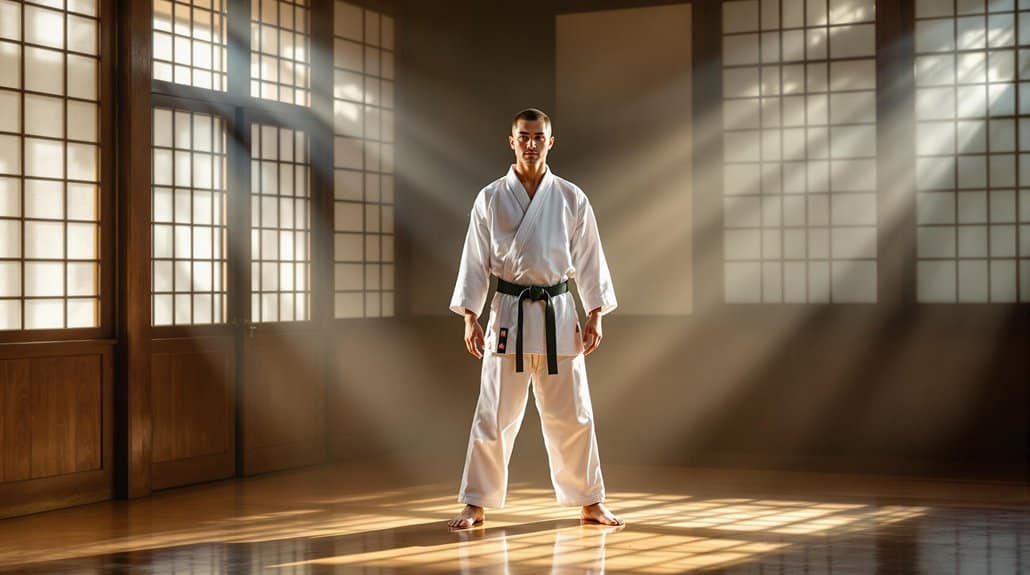
At the Australian Shiatsu College (RTO Code: 3609), we explore zanshin as a foundational concept in our HLT52215 Diploma of Shiatsu & Oriental Therapies. This Japanese principle of “remaining mind” represents complete awareness and therapeutic presence—essential skills for practitioners developing their professional practice.
Through structured learning experiences, students develop skills in maintaining therapeutic presence while practicing hands-on techniques. This quality of attention enhances both practitioner awareness and client care, supporting the development of purpose-driven professional practice.
What is Zanshin?
Zanshin—meaning “remaining mind”—represents more than a technical skill; it embodies the essential qualities of presence and awareness that dedicated practitioners can develop through their therapeutic training. This state of relaxed alertness enables practitioners to maintain complete presence with their clients while staying responsive to changing therapeutic needs.
Key aspects of zanshin in professional practice include:
- Maintaining focused attention during client sessions
- Developing therapeutic presence and responsiveness
- Building professional awareness for observation and reflection
- Supporting clear clinical assessment
- Enhancing practitioner self-care through mindfulness
Historical and Martial Origins
The concept of zanshin originated in Japanese martial disciplines like kyudo (archery) and kendo (swordsmanship) centuries ago. In these traditional arts, practitioners developed the ability to maintain vigilant awareness before, during, and after executing techniques—a skill that offered both tactical advantage and deeper mastery.
Students in the HLT52215 Diploma of Shiatsu & Oriental Therapies learn how this traditional concept enriches contemporary therapeutic practice. Understanding these principles helps practitioners cultivate the focused attention and mindful engagement essential for meaningful client care. The integration of traditional wisdom with modern therapeutic approaches creates opportunities for students to develop deeper professional capabilities while honoring the rich heritage of East Asian Medicine.
Zanshin in Shiatsu Practice
The Power of Focused Attention
Students learn to develop profound therapeutic presence through practical application. Professional practitioners create healing environments through cultivated attention and mindful engagement.
Throughout our course, students develop skills in:
- Professional therapeutic listening and observation techniques
- A range of palpation and assessment methods
- Breathing and communication techniques for practitioner-client rapport
- Ethical therapeutic boundaries and professional practice standards
- Mindfulness-based approaches to client-centered care
This focused development of therapeutic presence forms a fundamental component of our nationally recognised training, supporting students in building the professional capabilities needed for meaningful practice in complementary healthcare.
Transition and Closure in Touch
Students training in the HLT52215 Diploma of Shiatsu & Oriental Therapies learn the vital skill of therapeutic transition and closure. This essential component of professional practice demonstrates respect for both the treatment process and client wellbeing.
Developing refined touch awareness involves understanding how to mindfully conclude each therapeutic interaction. Students learn to:
- Gradually reduce pressure while maintaining therapeutic presence
- Create smooth transitions from treatment to everyday awareness
- Maintain professional boundaries during session closure
- Support the client’s physical and energetic system through proper completion
Through learning experiences that including both giving and receiving treatment, students develop the skills to create therapeutic closure that honours both the treatment process and professional relationship.
Zanshin in Learning and Teaching
Breathwork and Grounding Techniques
We understand that developing centred awareness is fundamental to delivering meaningful therapeutic work. As part of the HLT52215 Diploma of Shiatsu & Oriental Therapies, students learn professional grounding techniques that enhance practitioner presence and client care.
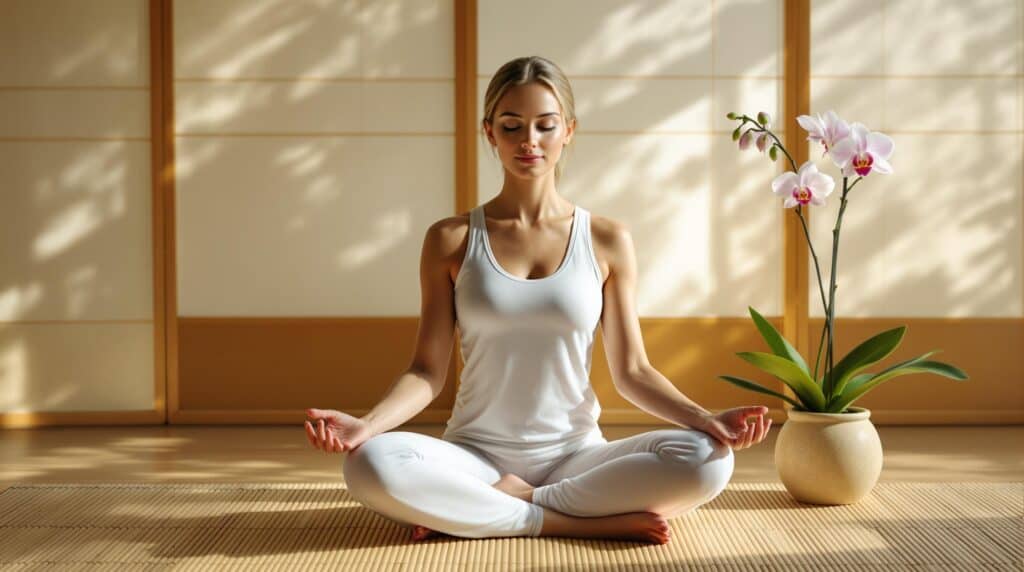
Professional practitioners utilise centring practices such as these to remain present during treatments, both for themselves and their clients:
- Connect with your foundation by feeling the ground beneath your feet
- Cultivate therapeutic awareness by observing breath entering and leaving the nostrils
- Practice regulated breathing with four-count inhalation and exhalation cycles
- Develop non-judgmental observation skills – essential for client assessment
- Apply systematic body scanning to identify and release tension
These mindfulness techniques form part of our comprehensive approach to developing professional therapeutic skills. Students learn to integrate these practices within the broader context of East Asian Medicine principles.
Building Mindfulness Through Routine
Our HLT52215 Diploma of Shiatsu & Oriental Therapies teaches students how to integrate present-moment awareness into their professional practice through daily routines. This skill supports both practitioner wellbeing and therapeutic effectiveness.
Students learn to cultivate awareness through practical activities integrated throughout their training—from hands-on bodywork sessions to client consultations. These structured learning experiences help develop the focused attention needed to develop their capacity for therapeutic presence.
Zanshin as a Life Skill
Beyond the Treatment Room
We understand that developing therapeutic awareness extends beyond clinical settings. Students learn to cultivate professional presence that enhances both their therapeutic practice and daily interactions.
Professional mindfulness skills can be developed through:
- Structured morning preparation routines
- Focused engagement during meal breaks
- Regulated breathing techniques for maintaining therapeutic presence
These practical awareness skills support the development of professional therapeutic practice and contribute to workplace safety through enhanced environmental and personal awareness.
Zanshin in Challenging Situations
The practice of zanshin becomes particularly valuable when addressing complex client needs or managing challenging clinical situations. Through experiential activities, students explore how cultivating zanshin enhances their clinical skills, particularly during difficult therapeutic moments.
Students learn techniques for maintaining centred awareness during client interactions, creating a stable foundation for healthcare delivery.
Key learning outcomes include:
- Practical techniques for maintaining therapeutic presence
- Skills for managing challenging clinical situations
- Methods for developing sustainable professional practice
- Understanding of mindful awareness in therapeutic settings
Cultivating Zanshin as a Daily Practice
At the Australian Shiatsu College (RTO Code: 3609), developing professional therapeutic skills involves more than just technical expertise. Through our HLT52215 Diploma of Shiatsu & Oriental Therapies, students learn to cultivate zanshin—the art of present-moment awareness—as an integral part of their professional practice development.
Present-moment awareness enhances your capacity to deliver meaningful therapeutic work while supporting your growth as a practitioner. This midful approach aligns with traditional East Asian Medicine principles and contemporary professional practice standards, offering students opportunities to develop deeper therapeutic connections while maintaining professional boundaries.
Through daily practice, students develop practical skills while exploring the role of mindful presence in therapeutic work. This approach helps create a foundation for a practice that serves both practitioner and client needs within professional frameworks.